
Whatever Happened to Tamagotchis?
If you were a kid in the late 1990s, chances are you remember Tamagotchis, the egg-shaped keyrings that beeped relentlessly.
Words by Anna Kennett
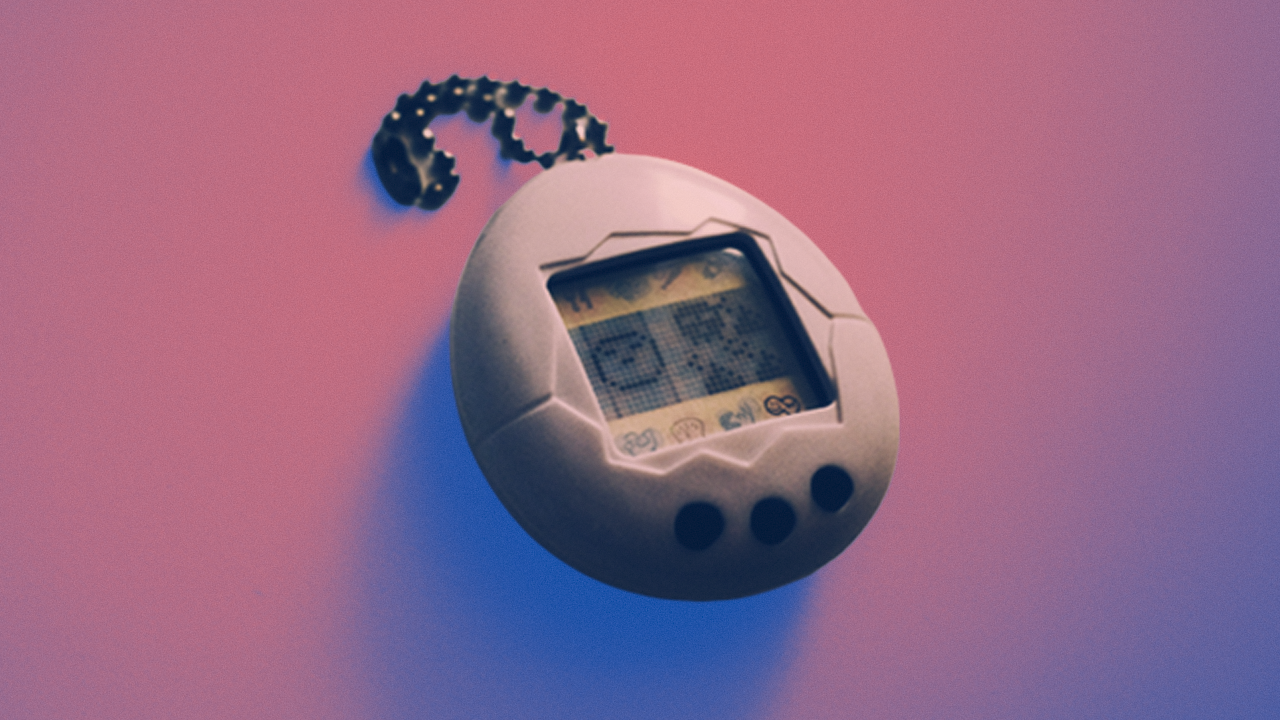
Stock photo courtesy of Pexels.
They demanded to be fed, cleaned, and loved at all hours of the day. They were banned in classrooms, mourned when they “died,” and briefly felt like the most important responsibility you could ever have. So, what happened to them?
Tamagotchis were first released by Japanese toy company Bandai in 1996 and quickly became a global phenomenon. At their peak, millions were sold worldwide. The appeal was simple but powerful. A digital pet that relied entirely on you. For the first time, kids could experience a form of caregiving through technology, long before smartphones or social media existed.
However, as quickly as Tamagotchis rose to fame, they faded from the mainstream. By the early 2000s, handheld gaming consoles like the Game Boy, followed by PCs and eventually smartphones, offered far more immersive and varied experiences. Compared to these, Tamagotchis seemed repetitive and demanding. Many people remember the stress of constant beeping more than the joy of play. Oddly, smartphones seem to do just the same thing to me, yet the addictive nature of them doesn’t seem to be a problem for most people.
Tamagotchis never truly disappeared. Instead, they evolved.
“As of July 2025 over 100,000,000 units have been shipped worldwide since 1996.” (Bandai Namco Fact Book, 2025.)
Bandai has quietly kept the brand alive through re-releases and updates, particularly leaning into nostalgia. In recent years, classic Tamagotchis have been rereleased in their original black and white format, aimed squarely at adults who owned one as a child. At the same time, modern versions now feature colour screens, touch buttons, Wi-Fi connectivity, and even social features that let users interact with other Tamagotchi owners.
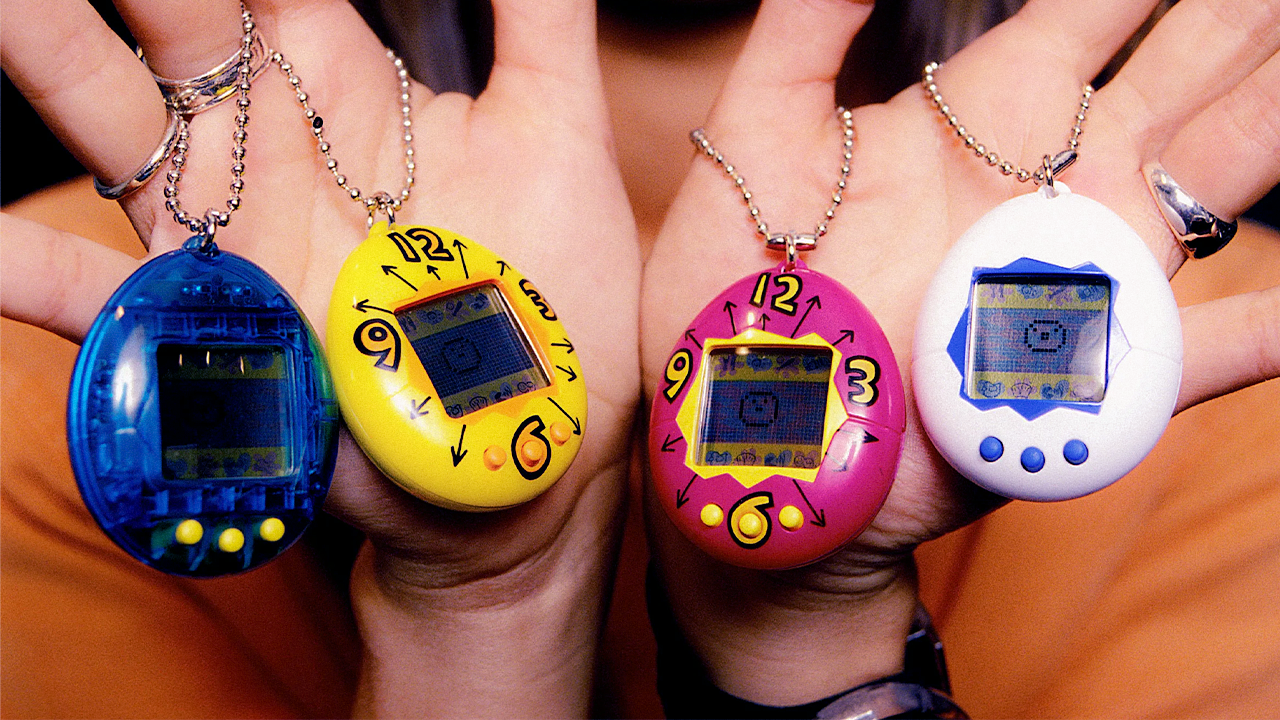
Stock photo courtesy of Pexels.
So why don’t they dominate playgrounds anymore? The biggest reason is competition. Smartphones now provide games, social interaction, and endless entertainment in a single device. The idea of carrying a separate gadget solely to look after a digital pet? Why would you do that if you can get the same buzz through a phone?
Today, Tamagotchis occupy a different cultural space. They’re no longer a universal childhood experience but a niche interest, popular among collectors, nostalgic millennials, and fans of Japanese pop culture. Rather than a fad, they’ve become a symbol of an earlier era of technology, when digital life was simpler, slower, and required a bit more imagination.
In that sense, Tamagotchis didn’t fail. They grew up, just like the people who once rushed home from school to feed them. Niche marketing appeals to those who remember a simpler time and now may have the means to collect these devices. Yet nostalgia can’t always be recreated just by having the money to buy it back, because without the context, time, and simplicity of childhood, it might not be as fun as you expect.