
Haunted Nostalgia
Can the past haunt the present? Nostalgia is bittersweet, the warm memory of something that’s come before, but also the sadness of something that’s gone.
Words by Amelia Luke
Coined in the 17th century, it first referred to the pain of homecoming—perhaps no wonder that nostalgia is a rich vein of horror, exploring past pains and fears from the safety of the present. What from your childhood still scares you?
BEN DROWNED
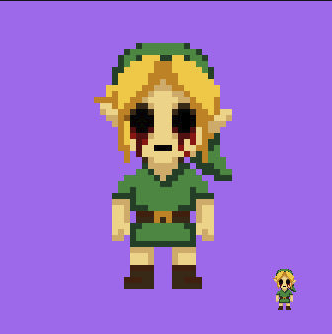
Ben Drowned Pixel Art By ProfessorCreepyPasta on DeviantArt
In 2000, The Legend of Zelda: Majora’s Mask was released for the Nintendo 64. It’s a unique game in the series, where the protagonist Link is trapped in a Groundhog Day loop, trying and failing to stop the moon from falling and destroying the world. It’s unusually dark and often morbid, such as how you transform into different forms by wearing masks created from the spirits of the dead. To a child, it’s a strange and disconcerting chapter in an otherwise heroic and upbeat series. No wonder someone would write a horror story about it.
In 2010, a college sophomore finds a used copy of Majora’s Mask: it may or may not be haunted by the ghost of a child named Ben. Footage of the in-game haunting is, of course, uploaded to YouTube. Now the most famous example of a ‘haunted video game’ story, BEN DROWNED is all about the horror of revisiting something from one’s childhood and finding it to be wrong. It was also perfectly timed to capitalise on Nintendo 64nostalgia—if you played the original game as an eight-year-old, you were now eighteen, just like the protagonist (I was sixteen, but close enough!).
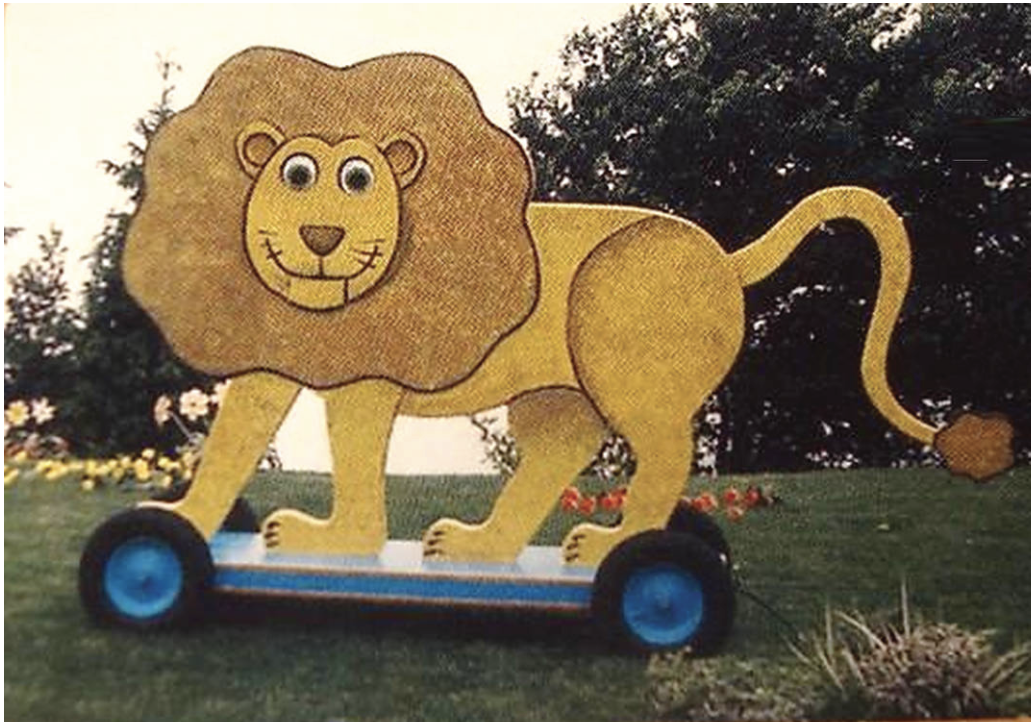
The Lion and The Bear from a banned episode of Teletubbies “See-Saw”.
BEN DROWNED was part of a 2010s wave of internet horror where a childhood favourite (e.g. SpongeBob or The Simpsons) would secretly contain horrific and/or mind-shattering content. Sometimes, these would even turn out to be real—like the banned episode of Teletubbies where a terrifyingly uncanny lion puppet chases a bear while shouting, “‘I’m scary on the top and I’m scary underneath”.
It’s only natural these urban legends based on real media would go on to inspire horror about fictional media too, where a nostalgic idea from the past comes back to haunt the present—see short story turned TV show Candle Cove or the video game series Five Nights at Freddy’s.
Analog horror, a popular online subgenre of the 2020s, is all about YouTube uploads that resemble fake ‘90s shows and VHS recordings. There’s a comfort and fear alike to be found in this retro aesthetic, which, interestingly, is often made by young adults who weren’t even born before the turn of the millennium.
STRANGE(R) THINGS
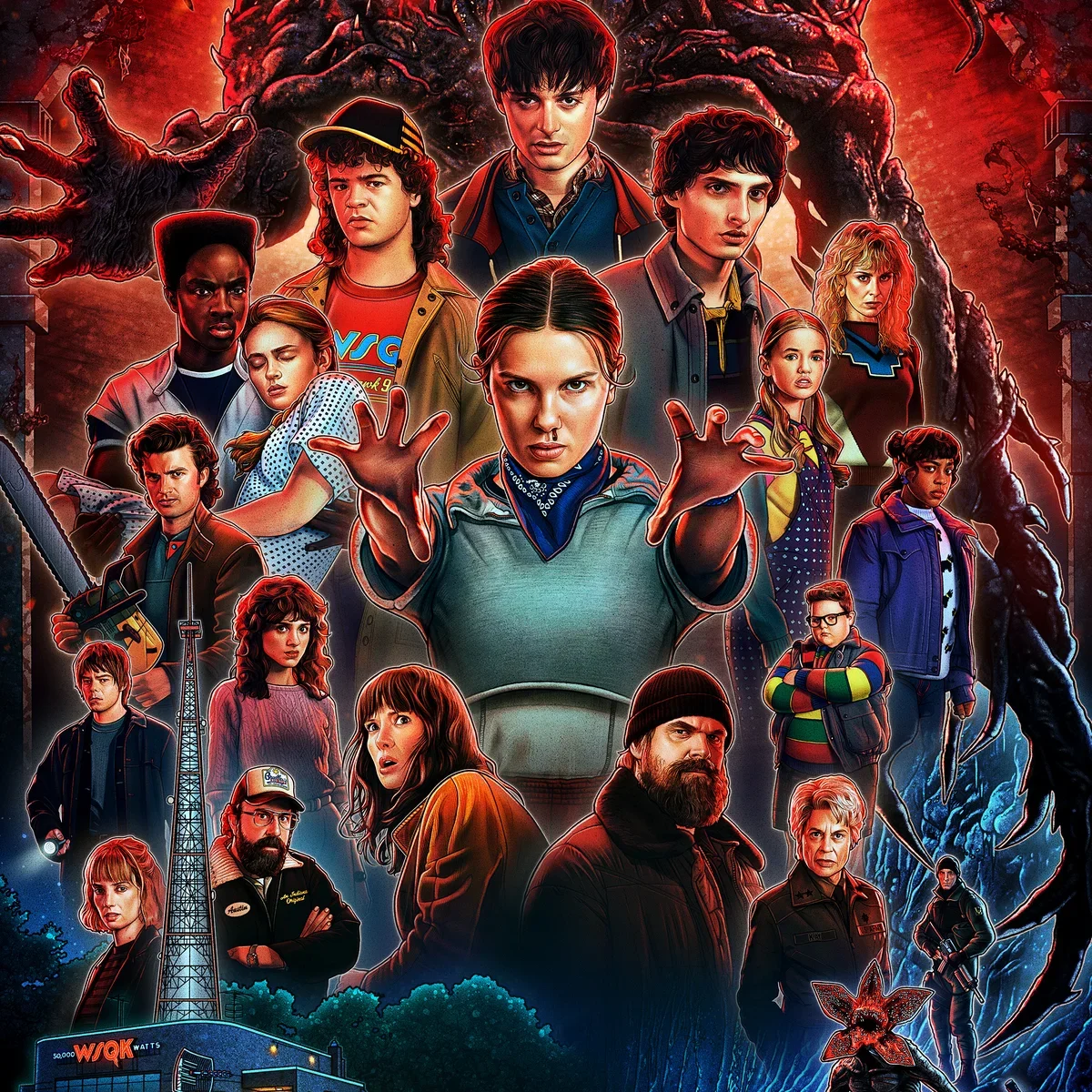
One of the biggest media events of this summer was the end of Stranger Things after five seasons, a horror TV show all about nostalgia for the 80s, for Spielberg and John Carpenter movies, old-school D&D, and Stephen King novels. But how many people watching really experienced the 80s? I didn’t. Statistically speaking, it’s likely you reading this didn’t. Arguably, even the show’s creators, the Duffer Brothers, didn’t: they were born in 1984.
This era of nostalgia, for the 80s, the 90s, even the early 2000s, all have a common thread: it’s a nostalgia for an age before ubiquitous internet. Sure, you could dial up in 1999, but these stories of haunted nostalgia all predate the iPhone, Facebook, and YouTube. They harken back to a simpler time: to your first video games, the funny pizzeria you went to, the weird children’s show you only half-remember.
Now, these are horror stories. But they’re also stories where the world still has mystery and wonder, before all the problems the Internet brought with it, where you could be lonely by yourself, rather than lonely alongside a billion other people. It’s scary, but comforting too.
At the same time, however, this is nostalgia for a pre-internet age being created for and shared on the internet. These horror stories, these internet videos and streaming TV shows, are creating a false past inside our digital present. A fifteen-year-old thinks wistfully of a time of VHS tapes and cartridge video games, melancholic that it’s gone.
Can the past haunt the present? Can you be nostalgic for something that never existed?
This article was first published in Issue 1 of Empire Times.