
Algae Bloom: SA’s coastline crisis keeps rolling in.
The Algal Bloom has transformed South Australian oceans from the once picturesque popular hangout spot to a foamy graveyard.
Words by Kailani Petkovic
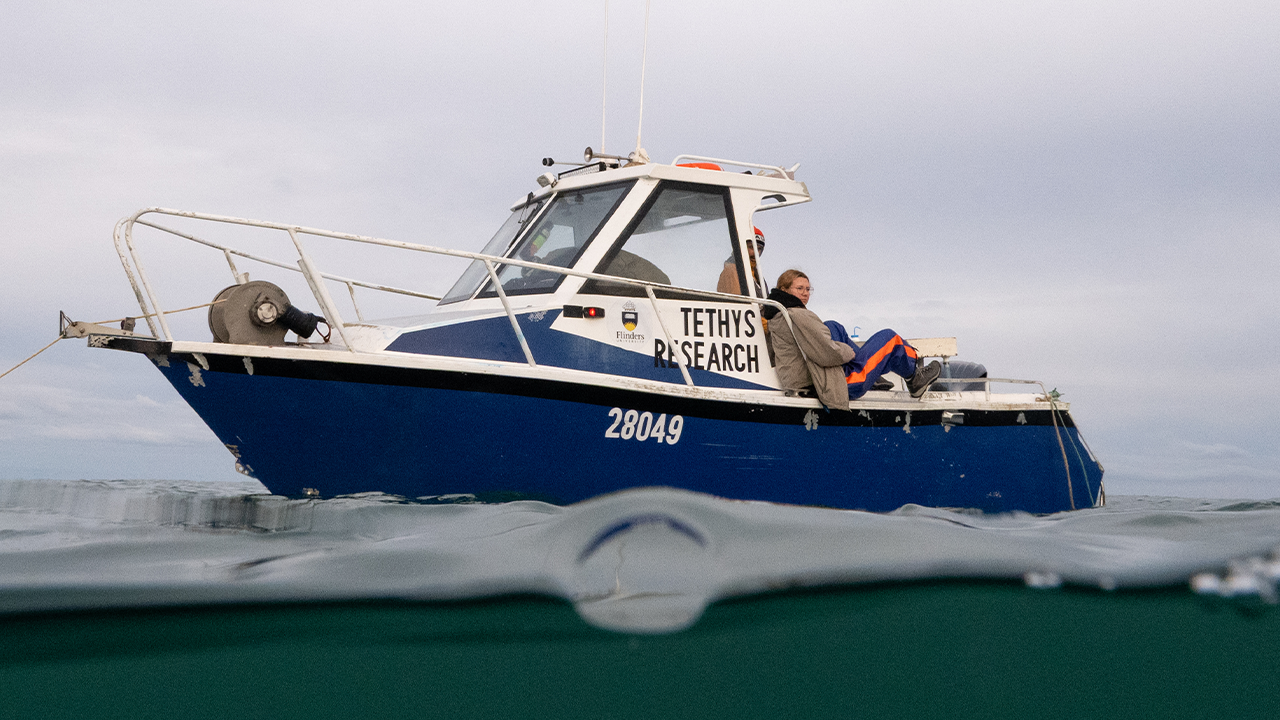
Photo by Scott Bennett courtesy Great Southern Reef Foundation.
If you live in South Australia, you are sure to have heard of the Algal Bloom, reported by the South Australian Government as starting in March 2025 and it now stretches across all 3 peninsulas. In essence, the Algal Bloom is an increase in the karneia algae species, an algae species that is naturally present in ocean waters, but in high amounts causes foamy and discoloured water.
What caused the current Algal Bloom is currently unknown but has been reported by the South Australian Government as a likely combined effort of:
‘First, flood waters from the River Murray in 2022-23 flushed large amounts of nutrients into the sea.
Second, during the summer 2023-24, a major upwelling event transported additional nutrients to the surface and pushed them towards the coast.
Third, a marine heatwave that began in September 2024 elevated water temperatures to approximately 2.5°C above average.’ From the Government of South Australia ‘About the Algal Bloom’ online page.
There is lots of varying health advice as to how the Bloom affects humans and what to do to stay healthy, and it can feel overwhelming. The key take home from all the health advice is: if you feel sick, remove yourself from the beach. When waves hit the shore, the algae particles are aerosolised, put into the air, and ‘algal particles can cause short-term irritation including:
skin irritation
eye irritation
cough and shortness of breath.’ From the Government of South Australia ‘Health Advice’ online page.
To give insight the current Algal Bloom is Dr Georgina Wood, ARC Early Career Research Industry Fellow at Flinders, who I was lucky enough to have a chat with to further understand the Bloom.
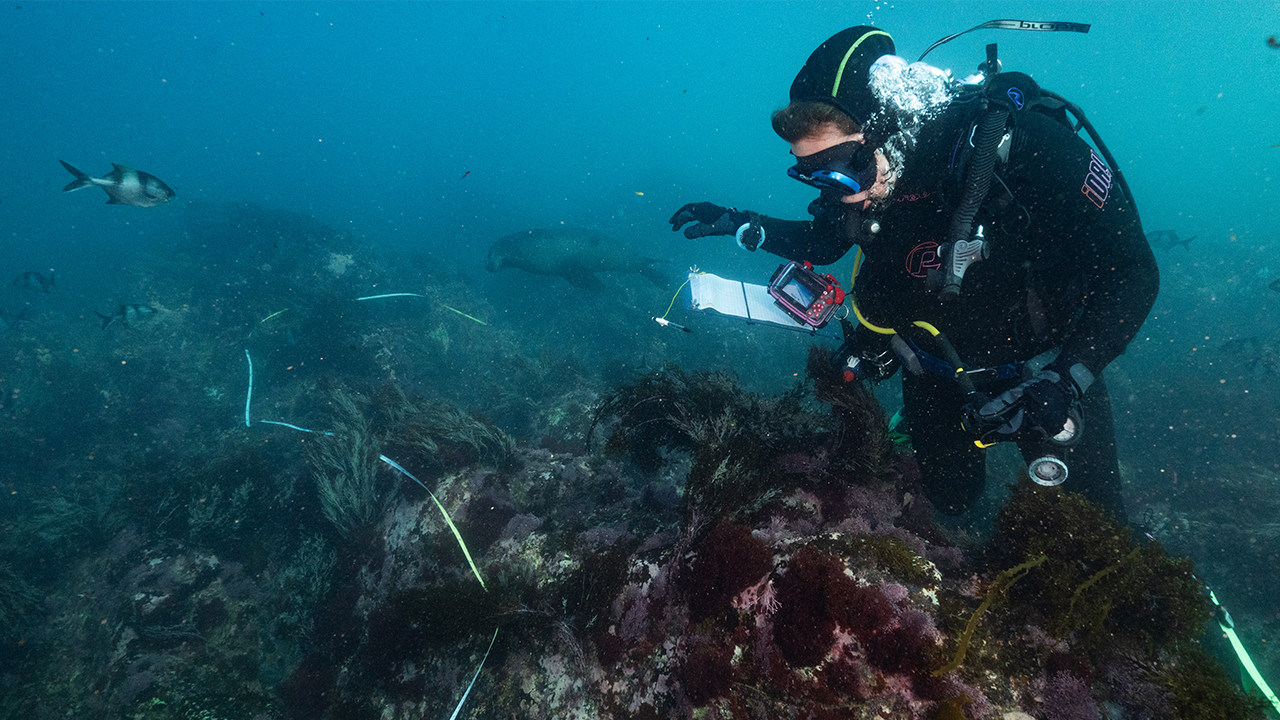
Photo by Scott Bennett courtesy Great Southern Reef Foundation.
Dr Wood has seen various algal blooms before, both freshwater and marine blooms, ‘which are pretty common around the world and in Australia, but generally they are a lot more short-lived’. The cause of this current Harmful Algal Bloom is still being investigated and while no one is ‘completely sure what caused it, there are a number of promising avenues’. There is unfortunately not a time machine which can take all the marine scientists back to early 2025 to do extensive testing. One of the most convincing arguments is that the 2025 marine heatwave, one of the most severe on record, contributed to the initiation of the algal bloom. ‘There is also evidence from overseas that algal blooms are increasing with warmer waters and marine heatwaves’ which are rapidly increasing under climate change.
Misconceptions about the Algal Bloom have spread quickly as the situation evolves. Dr Wood mentioned one of the biggest is ‘that people are not working on the causes, impact and mitigation of the algal bloom. Many people across government, universities and the general public are working hard on these issues’, while reminding us all that ‘it takes a long time to do good science.’
Marine organisms of all sizes have been heavily affected by this bloom as ‘theres not just one thing that kills, there are unfortunately many ways for marine organisms to die.’ For example, marine animals can die from ‘algal toxicity and burning of the gills, but there is also potential amplification through the food chain or loss of food sources that can affect some of the higher-level predators’ such as sharks. These animals have been witnessed to also be behaving differently due to the changed conditions in the ocean. Dr Wood noting that during the underwater survey work she conducted that she saw ‘a lot of fish that were swimming in circles’ and ‘there were reports of a lot of deep-water species that were coming up into the shallows likely in search of more oxygenated waters. Definitely the most devastating but also weirdest dives I have ever done.’
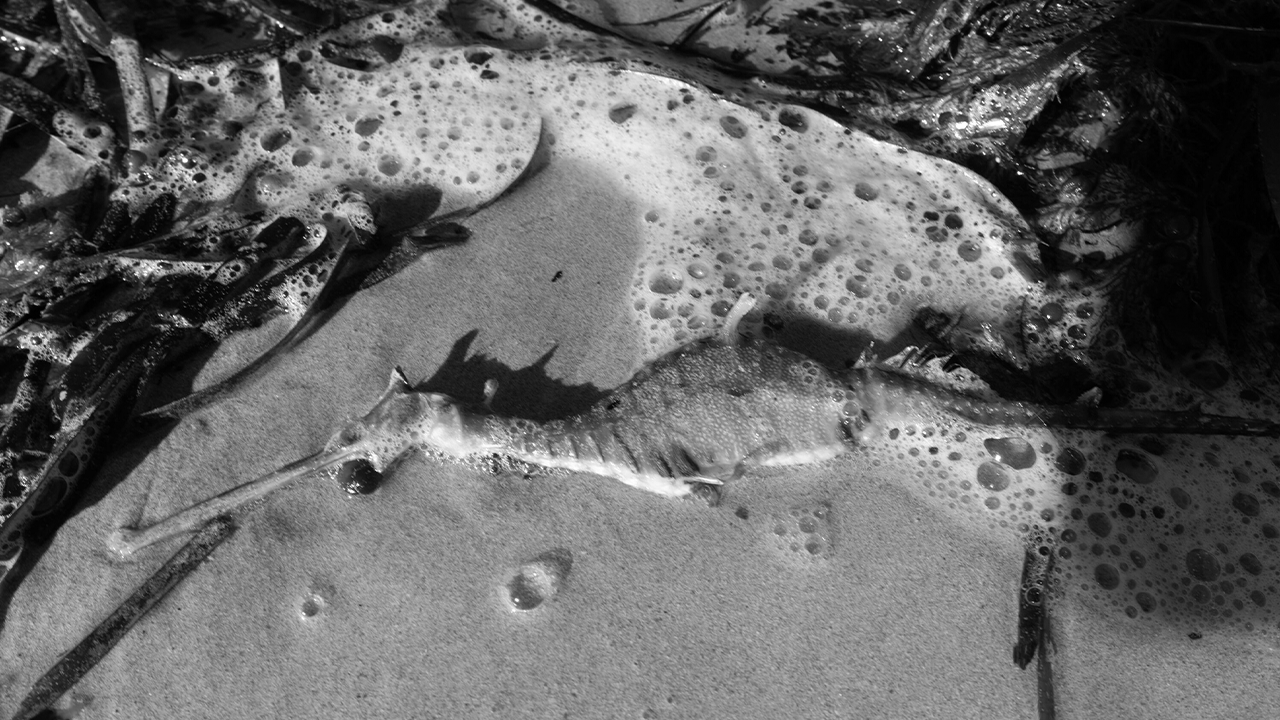
Photo by Stefan Andrews courtesy Great Southern Reef Foundation.
Recovery for South Australian Ocean ecosystems is more complex than the harmful algal species returning to pre-bloom levels. But be assured, there is research being conducted on lots of areas of the marine ecosystem. For example, Dr Wood has just started a big project looking at the impact of the algal bloom on our local kelp forests. ‘They are extremely important parts of the ecosystem, for example some seaweeds overseas are known to harbour bacteria on their surface that can actually mitigate or kill karenia (harmful algal bloom-causing) species.’ At Flinders ‘many of the marine scientists have been working together with Government to assess the impacts of the bloom, which is work that is still ongoing”. While many Flinders marine researchers are keeping busy assessing the impacts on the South Australian marine ecosystem, many agree there is a long recovery journey ahead.
If you are a marine student and interested in learning more or want to know who to contact at Flinders Dr Wood recommends you get in touch with the Marine and Coastal Research Consortium.
Both SA Water and SARDI were contacted but did not respond to comment for this article.
This article was first published in Issue 1 of Empire Times.