
The Olive Problem
I love walking trails. During the stressful periods in my life, I find trekking through walking trails to be an amazing way to destress and clear my mind.
Words by Zach Pope
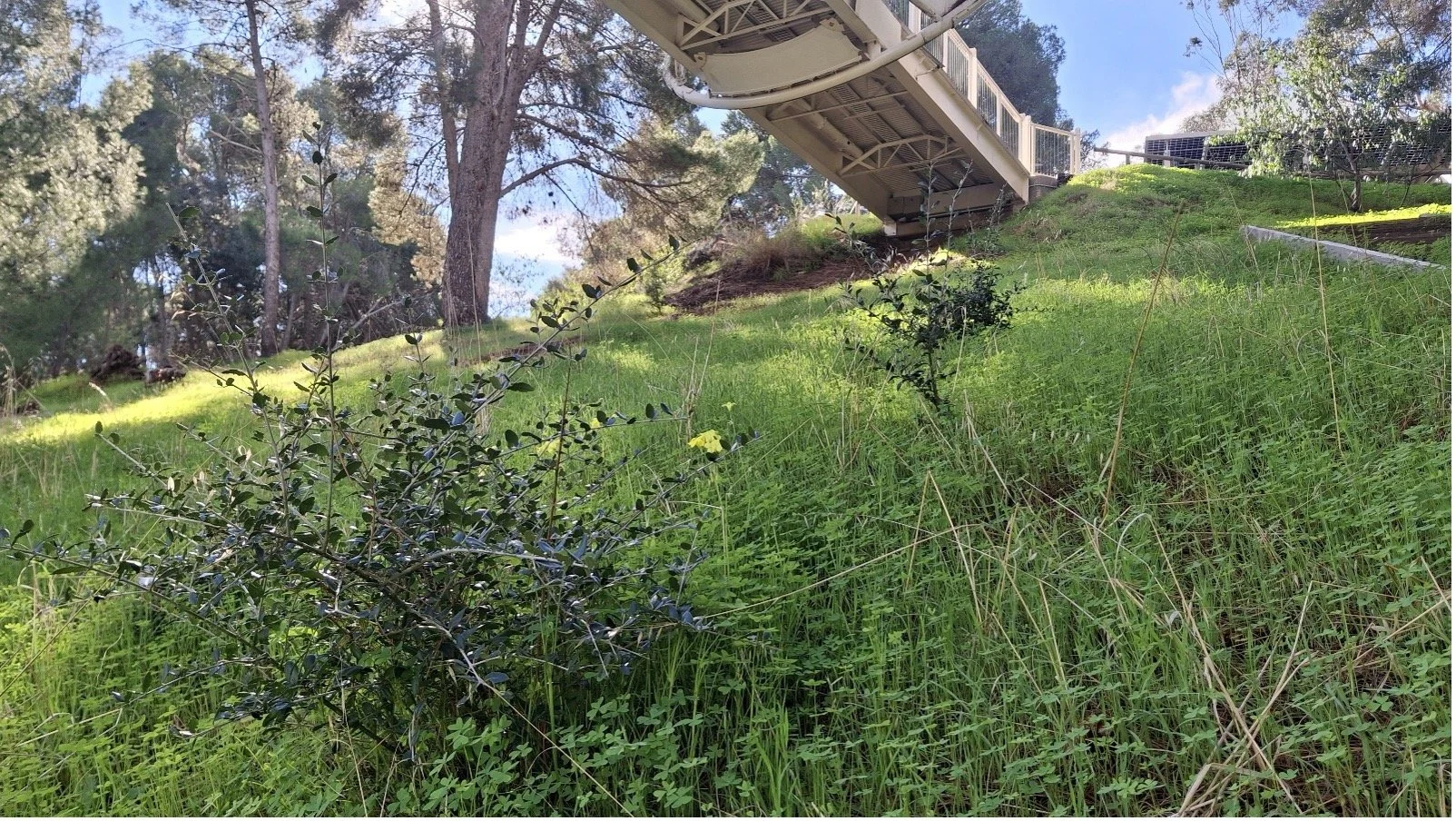
I love walking trails. During the stressful periods in my life, I find trekking through walking trails to be an amazing way to destress and clear my mind. I especially love surrounding myself in native nature, trying to identify particularly interesting plants or simply enjoying the scenery.
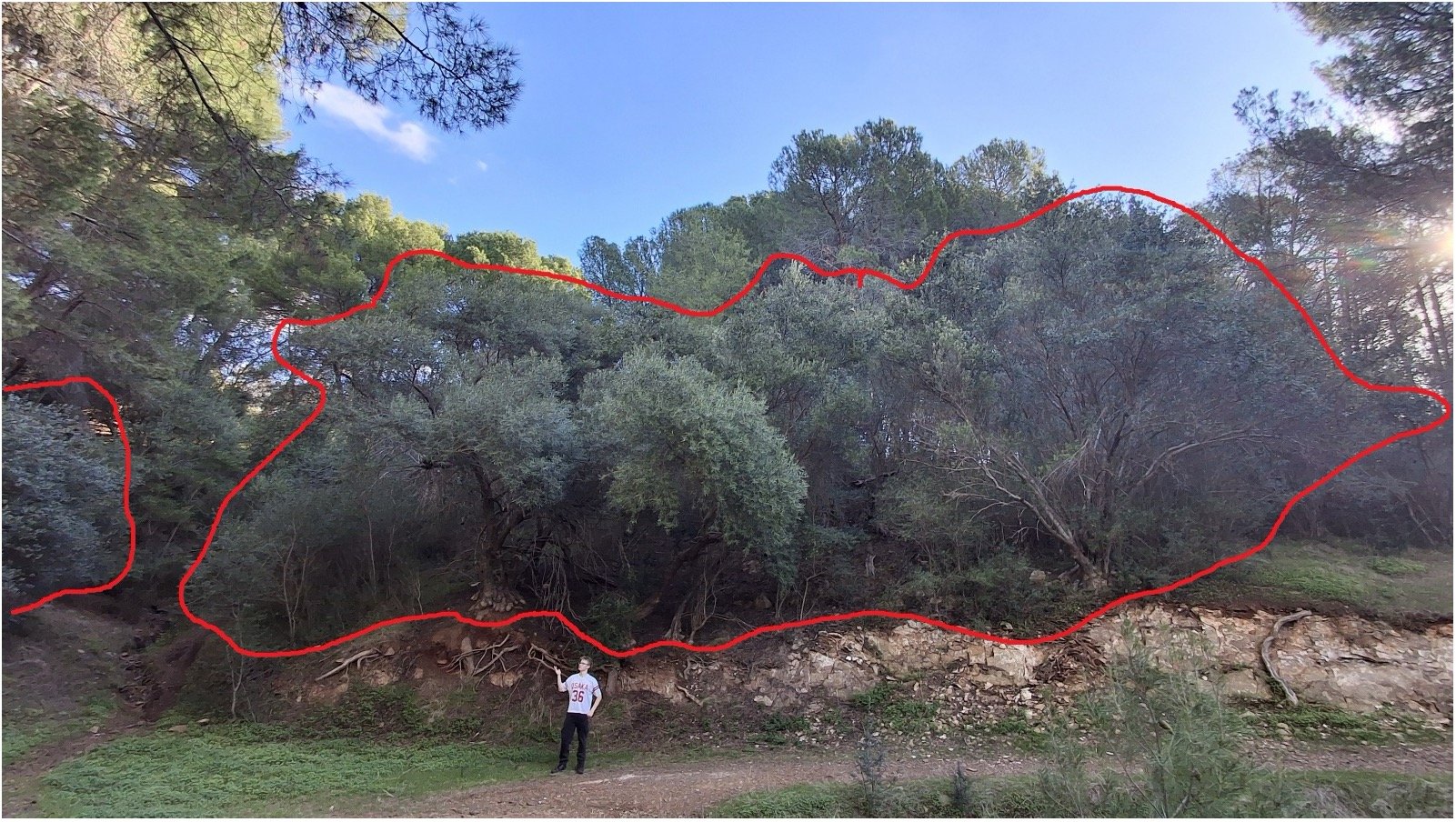
Image: Massive wild olive grove (highlighted in red) growing along the side of a walking trail only 100m from campus, with a strapping young man for scale
Imagine then my shock, MY PURE HORROR, when I returned this year from summer break to walk my favourite trail, only to find it choked with olive plants. Lost was its natural diversity. Lost was the view of hilly slopes that descended towards the sea. Replaced by these ugly evergreen vermin.
This is not the only instance of a wild olive takeover. Once you know what it looks like, you will begin to see wild olive everywhere around both the Flinders campus and the walking trails of Adelaide. You will notice new plants emerging and old groves choking out all other vegetation. You’ll notice it crowding streams and gullies. It can even grow beneath pine trees, an achievement very few plants can boast of.
With it sprouting all over the Adelaide area, you may wonder: How is wild olive so potent? And why is it here in the first place?
Olive History and Impact
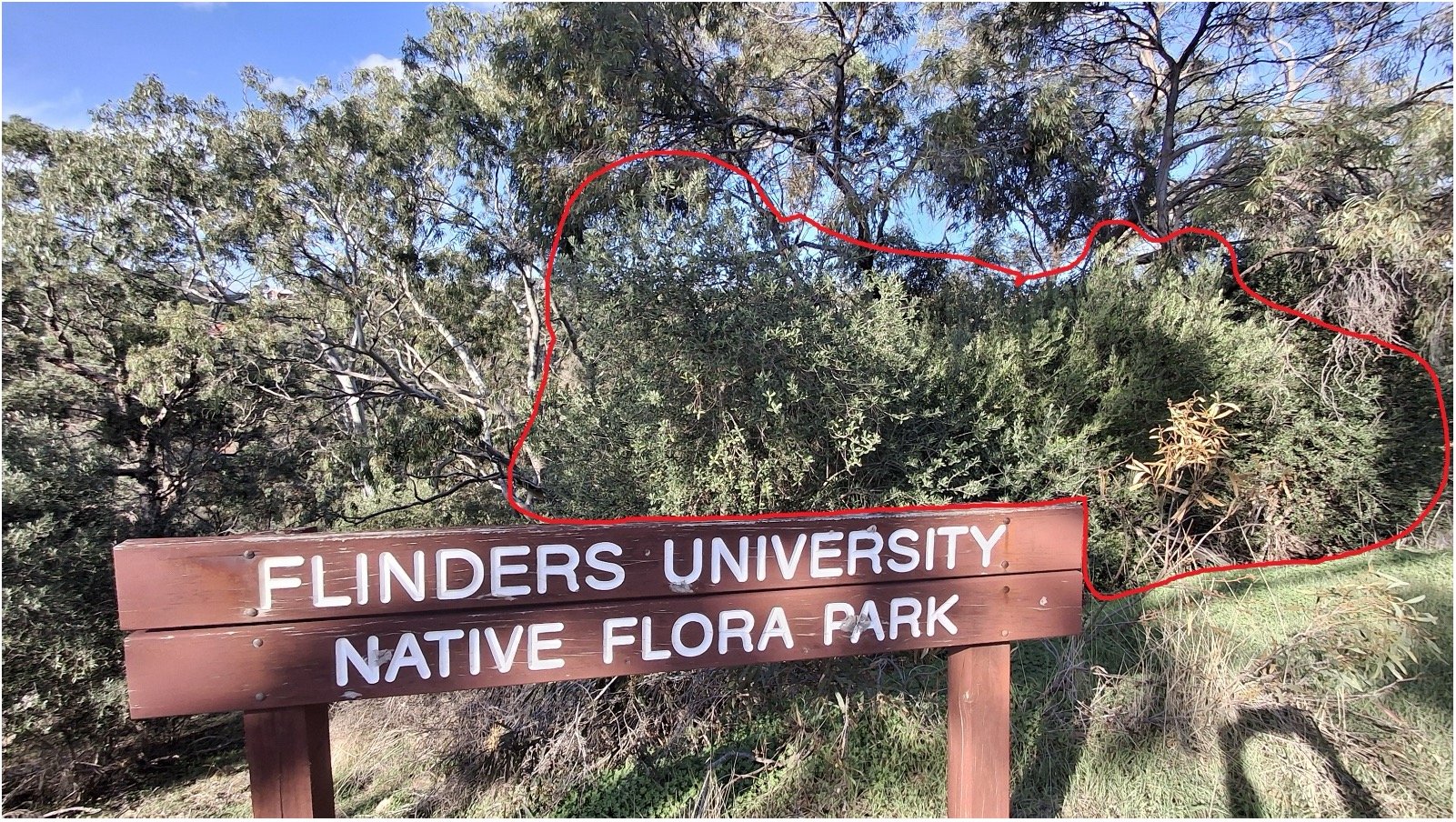
Image: Sign of Flinders University Native Flora Park, with a bush of wild olive (highlighted in red) growing directly behind it
There is not just one invasive olive in Adelaide. Rather, there are two main variants: the European Olive and the African Olive. Both were brought to the region in the 1800s, with the edible European variant being introduced for cultivating and producing olive fruits, and the inedible African variant for hedging and root stock purposes.
Since then, the plants have been a plague on Australian bushland. Native birds LOVE eating wild olives and will regurgitate or otherwise disperse the seeds as they are flying, spreading the olives far and wide throughout the region. Being adapted to Adelaide’s Mediterranean climate, the olives are then able to flourish and eventually form a grove that prevents other plants from germinating, effectively creating a self-sufficient and slowly expanding olive nursery.
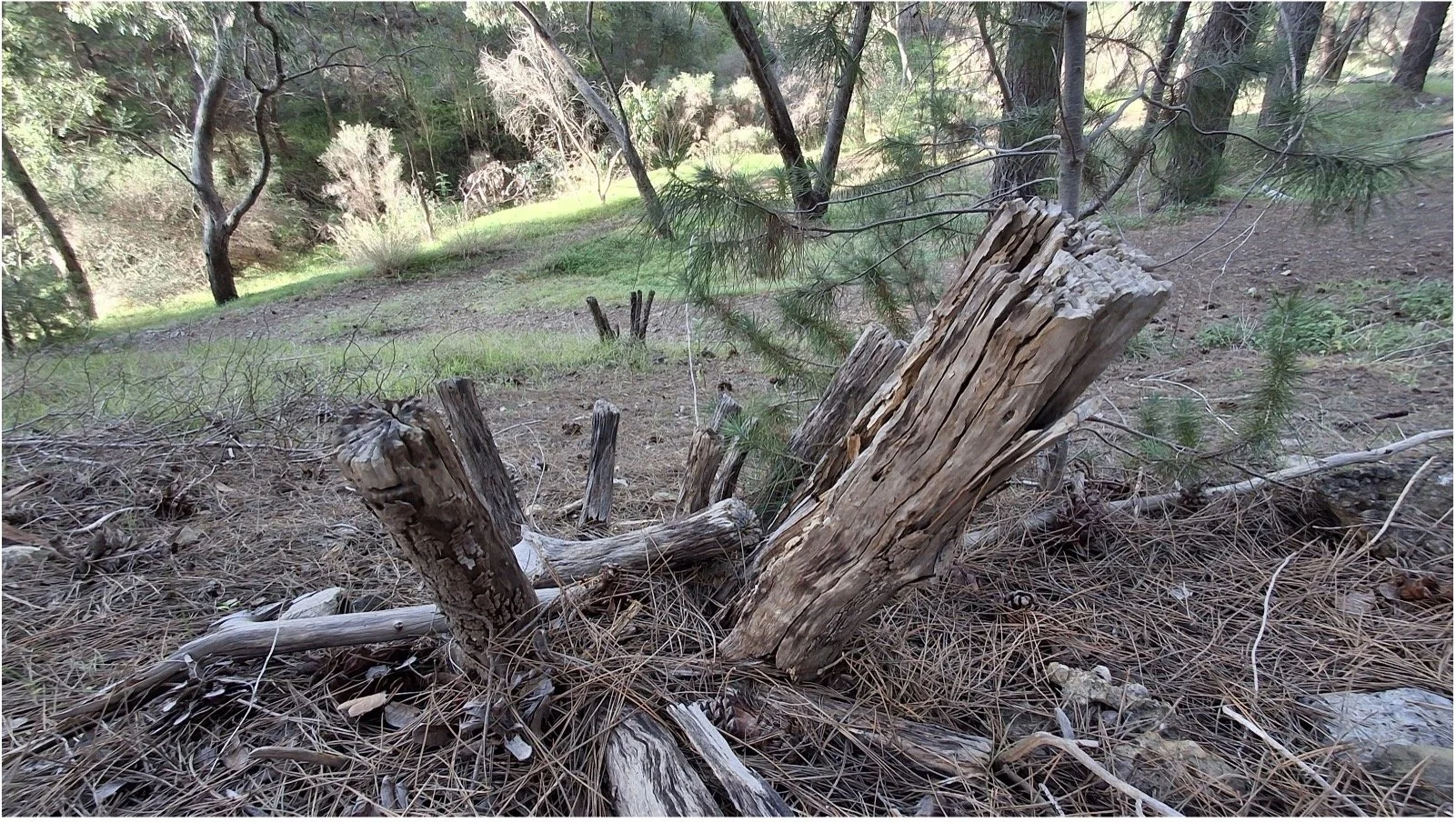
Image: Evidence of wild olive plants that were removed from the side of the walking trails.
Multiple studies in the past few decades have assessed the impact of olives on native bushland, and the findings are incredibly concerning. Due to their dense canopy, olives reduce the amount of sunlight available to smaller plant species nearby. Even plants that could persist in the olive’s dense shadow are overpowered by root competition, allowing olives to outcompete even the hardiest shrubs and trees. Once these olive trees mature, the bug population may also collapse, as many have specifically adapted to survive in native leaf litter. A 2002 study assessed the impact of wild olives invading both Belair National Park and Stuart Gorge, two nature reserves close to home, and found that olive infestation could decrease the biodiversity by over 50%!
These impacts can already be seen here, around the nature trails of Bedford Park. Olives are everywhere if you know where to look, and small groves are beginning to sprout. Unfortunately, this is particularly clear in my favourite viewing spot, where over one summer, wild olive became the main plant present and obscured the view I had once used to ponder all of life’s mysteries.
What Can Be Done????
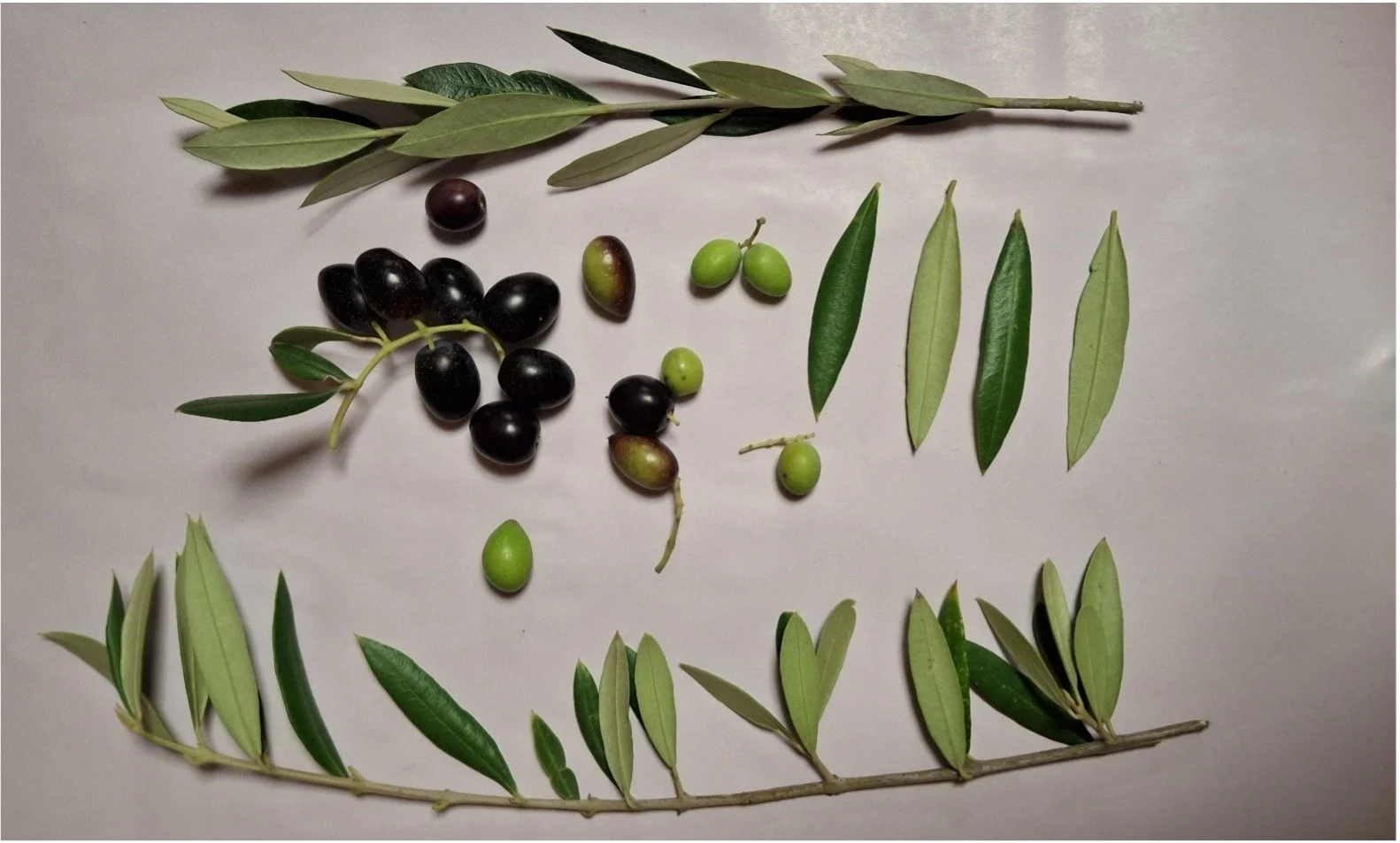
Image: A couple of extended European olive branches, leaves, and fruit to help you identify wild olives during your own hikes
It is clear something must be done about the threat of wild olives in our backyard. BUT WHAT CAN WE DO????
There are a few solutions to help prevent the olive takeover. Younger plants under 10cm can be ripped out by hand during your evening walks, especially in moist soil. Larger individuals and groves are much more problematic. Plants under 1m are susceptible to fire and will perish when set ablaze. Poison is also an option although slow going, and machinery has even been used when a grove is particularly large or tough.
Whilst you may not have access to fire, poison, or an excavator, and they may be slightly illegal to use on Bedford Park, you might own a phone. Any sightings of olives can be reported on apps such as iNaturalist or to official organisations such as Green Adelaide. For some parks in the area, there may be a friend’s program where you can volunteer your time to care for a certain park and DESTROY the pests within, if you are so inclined.
Clearly, Bedford Park has a major wild olive problem. They’re sprouting throughout our trails and scrub, threatening to replace the native plants and insects that call it home. It is up to us to notice, report, and destroy this infestation in order to preserve the biodiversity that makes Bedford Park so unique.
This article was first published in Issue 3 of Empire Times.