
A Good Grade in Therapy
Sincerity is an omnipresent witness to all my interactions lately.
Words by Tannaz Mahreen
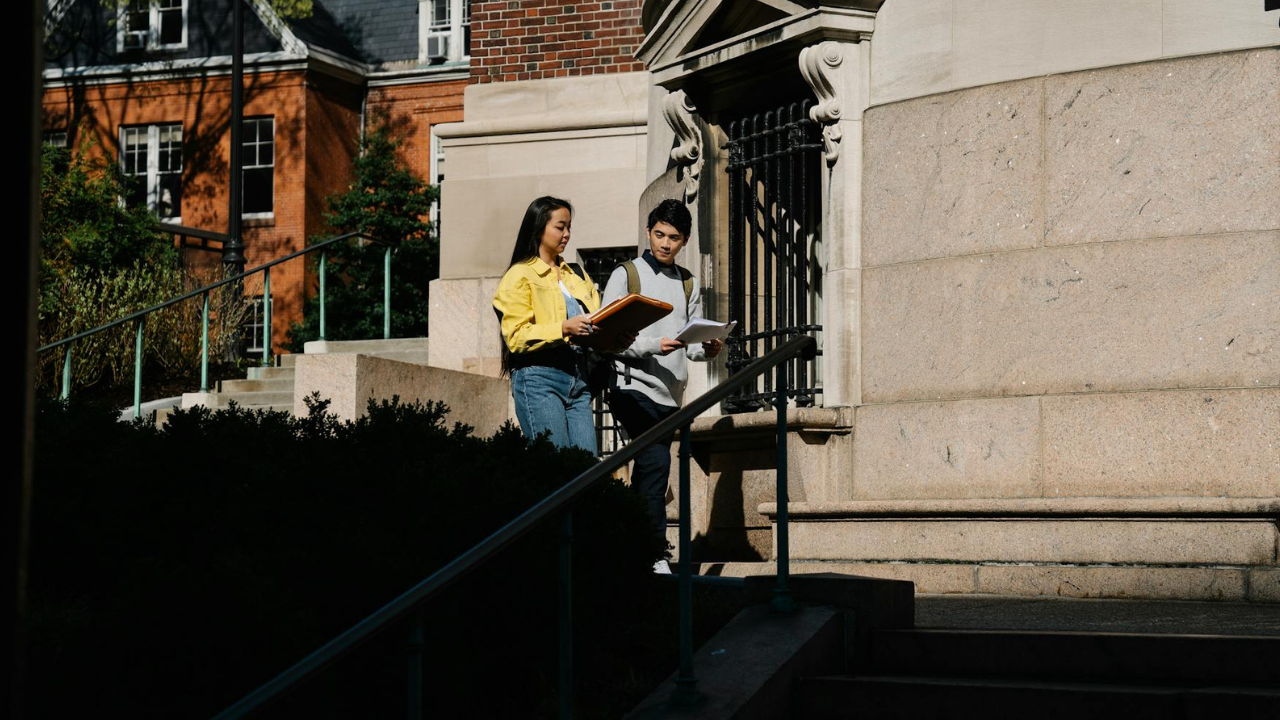
Sincerity is an omnipresent witness to all my interactions lately. Be it in tutorials, in activist meetings, or even in casual conversations outside the coffee truck with the best Strawberry matcha, there’s a carefulness to how we speak. Everyone seems to be trying, earnestly, to say the right thing. To be thoughtful. To be self-aware. To be good.
Which is admirable. And exhausting.
University life has a strange performance economy. We are constantly putting forward the most legible version of ourselves: the engaged student, the politically literate peer, the emotionally articulate friend. The expectation is not only that we think critically, but that we narrate ourselves critically too. We must demonstrate growth. Contextualise our feelings. Show our working. Somewhere along the way, sincerity becomes labour.
Recently, I saw a reel that described people keeping old wounds fresh as evidence for a trial that will never come. The phrase lodged itself somewhere uncomfortable in my brain. Because I recognised the impulse immediately. The careful tending of past pain, the rehearsal of its narrative, the quiet compulsion to make sure it remains coherent and justified.
We curate our wounds the way we curate our Hinge profiles: updating the language, refining the story, making sure it demonstrates growth.
My best friend and I often joke about wanting to be our therapists’ favourite client. You say the right things. You identify the pattern. You acknowledge the boundary. To get a good grade in therapy, you know? Somewhere in the background is the faint hope that someone – therapist, friend, invisible audience – will nod approvingly. Full marks for emotional insight.
But like any other performance, it comes with rehearsal. And rehearsal is labour. You begin to notice it in social settings. The friend who delivers their trauma story with impeccable pacing. The group discussion that spirals into a collective analysis of everyone’s attachment style. The careful choreography of empathy: validating, reflecting, summarising.
All technically correct. All strangely theatrical.
None of this comes from a dishonest place. If anything, it comes from a genuine desire to be better: to communicate well, to hold space, to be thoughtful with one another.
But the more fluent we become in this language of self-awareness, the easier it is to mistake performance for presence.
We stop speaking and start presenting.
Relationships flatten under this pressure. Not because people are insincere, but because sincerity itself becomes something we demonstrate rather than something we inhabit. Instead of reacting, we respond. Instead of feeling, we analyse the feeling out loud.
It’s the academicisation of the self.
And like any other form of labour, it’s tiring to never clock out.
Sometimes I wonder what would happen if we allowed each other a little incoherence. If not every story had to end with a lesson, not every wound had to be articulated with perfect clarity. If a conversation could wander without the expectation of emotional productivity.
Perhaps the most radical thing we could do in a university full of high-performing selves is to occasionally be unfinished.
To laugh badly. To tell stories that contradict themselves. To let a wound scar over instead of keeping it open for evidence.
After all, if every interaction becomes a performance, who exactly is the audience?
And when do we get to leave the stage?
This article was first published in Issue 2 of Empire Times.